
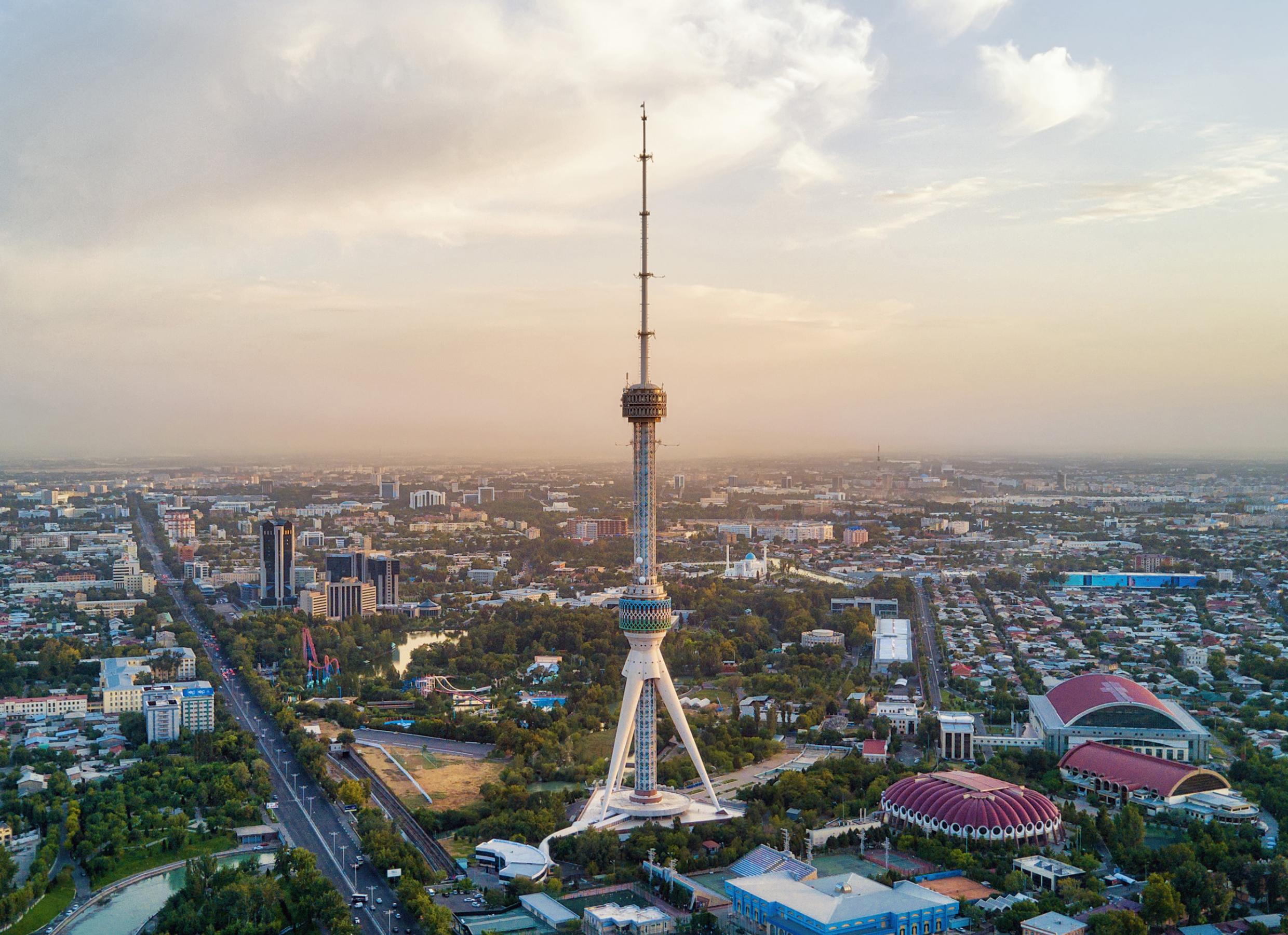
In
January 2025, one of Tashkent’s symbols — our TV tower — turned 40 years old.
Originally designed for Baghdad, the project was cancelled after a coup in
Iraq. At the insistence of the then-leader Sh. Rashidov and after numerous
approvals, it was decided to build the tower in Tashkent at the city’s highest
point. Construction began in 1978, lasted six years, and the tower was
commissioned in January 1985.
To
this day, the Tashkent TV Tower remains not only the tallest free-standing
structure in Central Asia but also provides direct television broadcasting
within an approximate 100-km radius, covering southern Kazakhstan and Syrdarya
Region.
The
unique design was developed by Soviet architects Nikolai Terziev-Tsarukov, Yuri
Semashko, Vladislav Rusanov, and engineers Evgeny Morozov and Mikhail Musheyev.
Built
with the region’s seismic risks in mind, the tower can withstand a 9-magnitude
earthquake. Its stability is ensured by three cone-shaped supports, each 93
metres tall.
Our
TV tower ranks 12th among the world’s tallest television towers and 38th among
free-standing structures worldwide (9th at the time of commissioning).
In
addition to television and radio broadcasting, it is a major tourist
attraction: the rotating “Koinot” restaurant at 104 metres offers stunning panoramic
views of the city. Photography and video restrictions have now been lifted — a
big plus for tourists.
In
December 2012, the tower received illumination, later enhanced with colourful
cosmic lights that delight residents and visitors against the starry Tashkent
sky.
Beyond
its technical marvels, the tower is famous for a priceless work of art — the
huge mosaic panel in the lobby at its base.
By
a resolution of the Cabinet of Ministers, the tower has been granted the status
of an architectural and urban-planning monument of Uzbekistan. In April 2024,
the Culture and Arts Development Foundation included it in a list of 10
structures being prepared for nomination to the UNESCO World Heritage List.
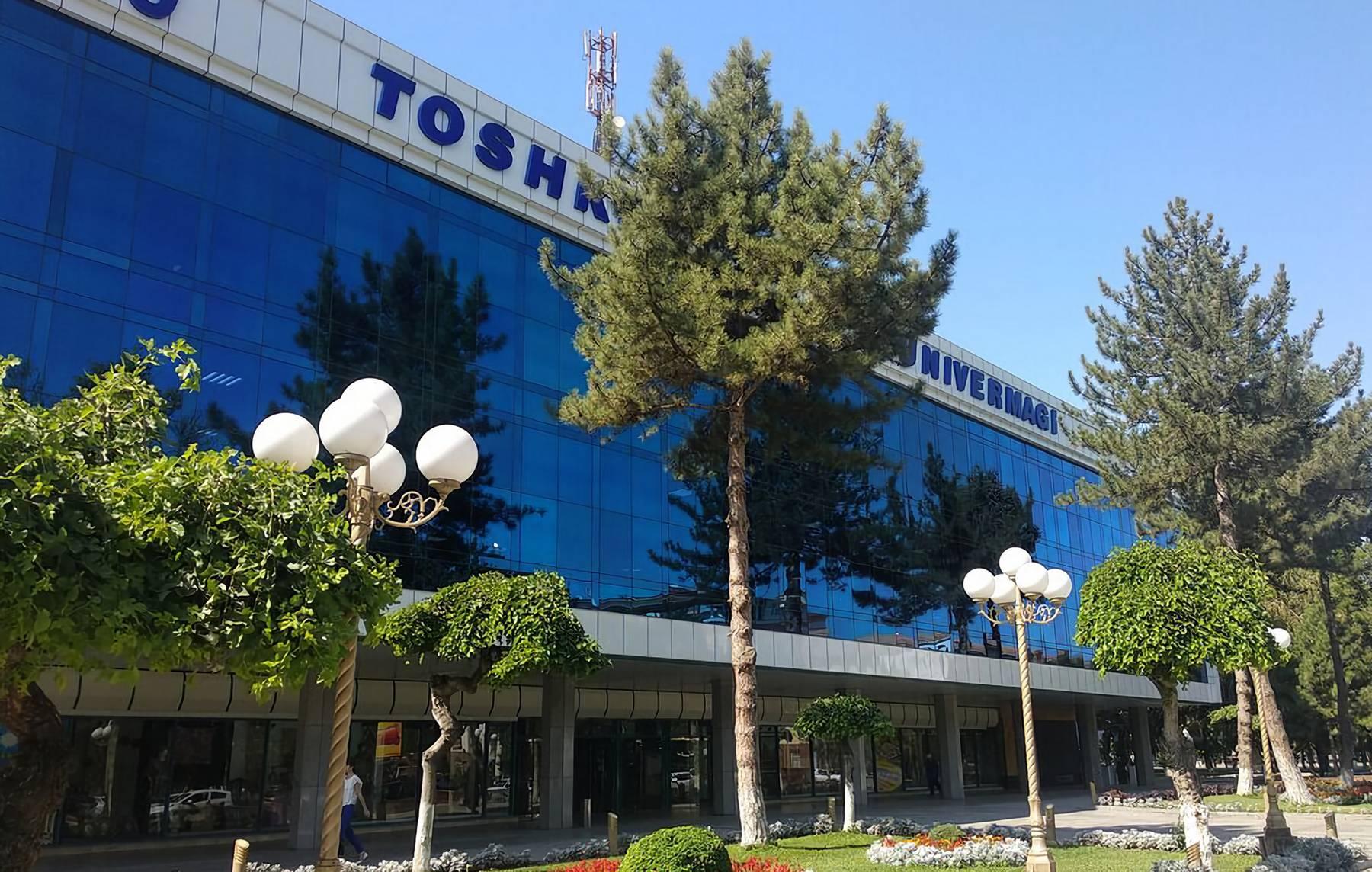
The Central Department Store, or TSUM, has long become the primary reference point for taxi driver...

One of the most beautiful and iconic buildings in Tashkent is the Lotte City Hotel Tashkent Palace,...
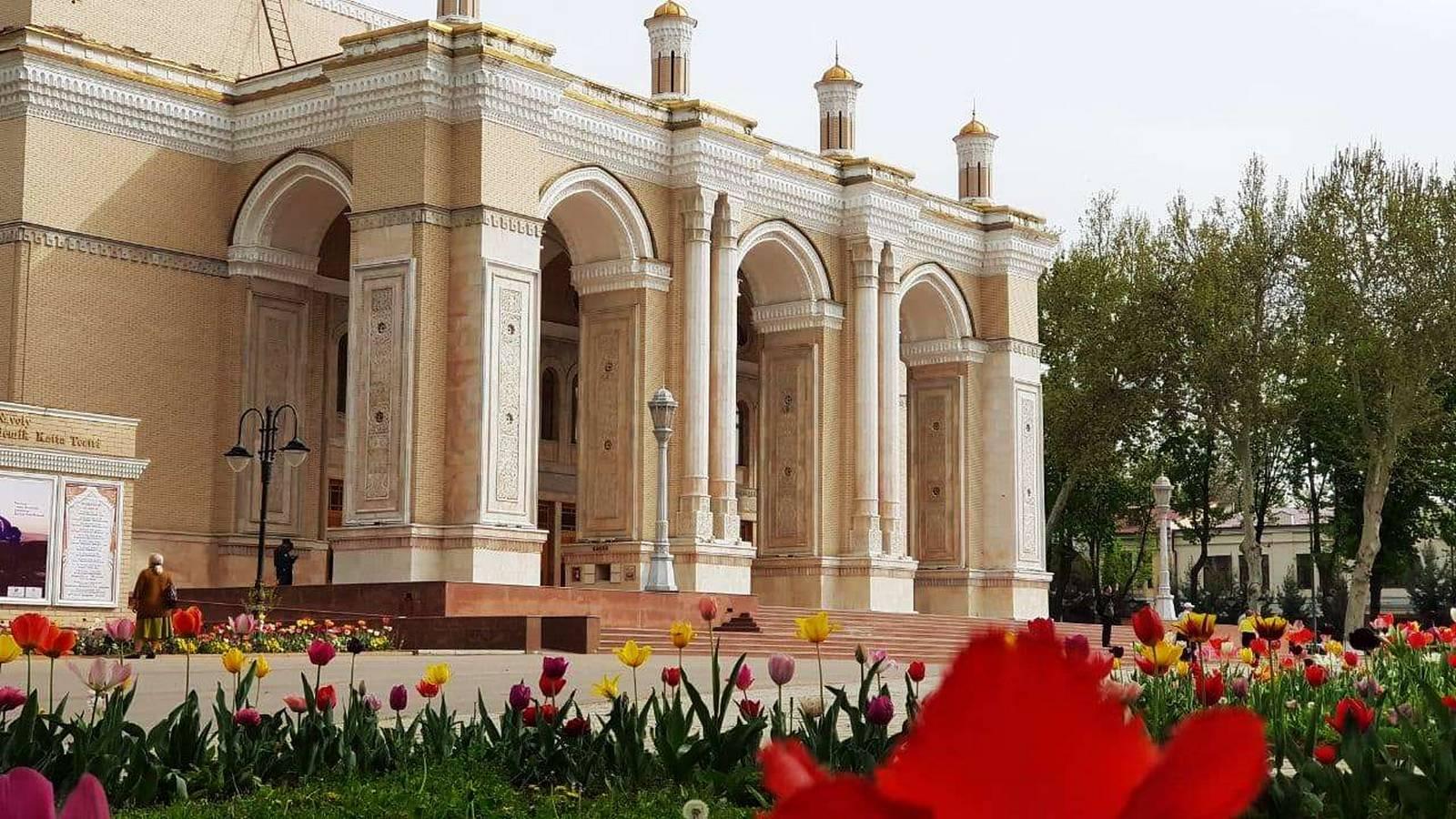
One of the most beautiful and recognizable buildings in Tashkent is the Navoi Theater. It was built...
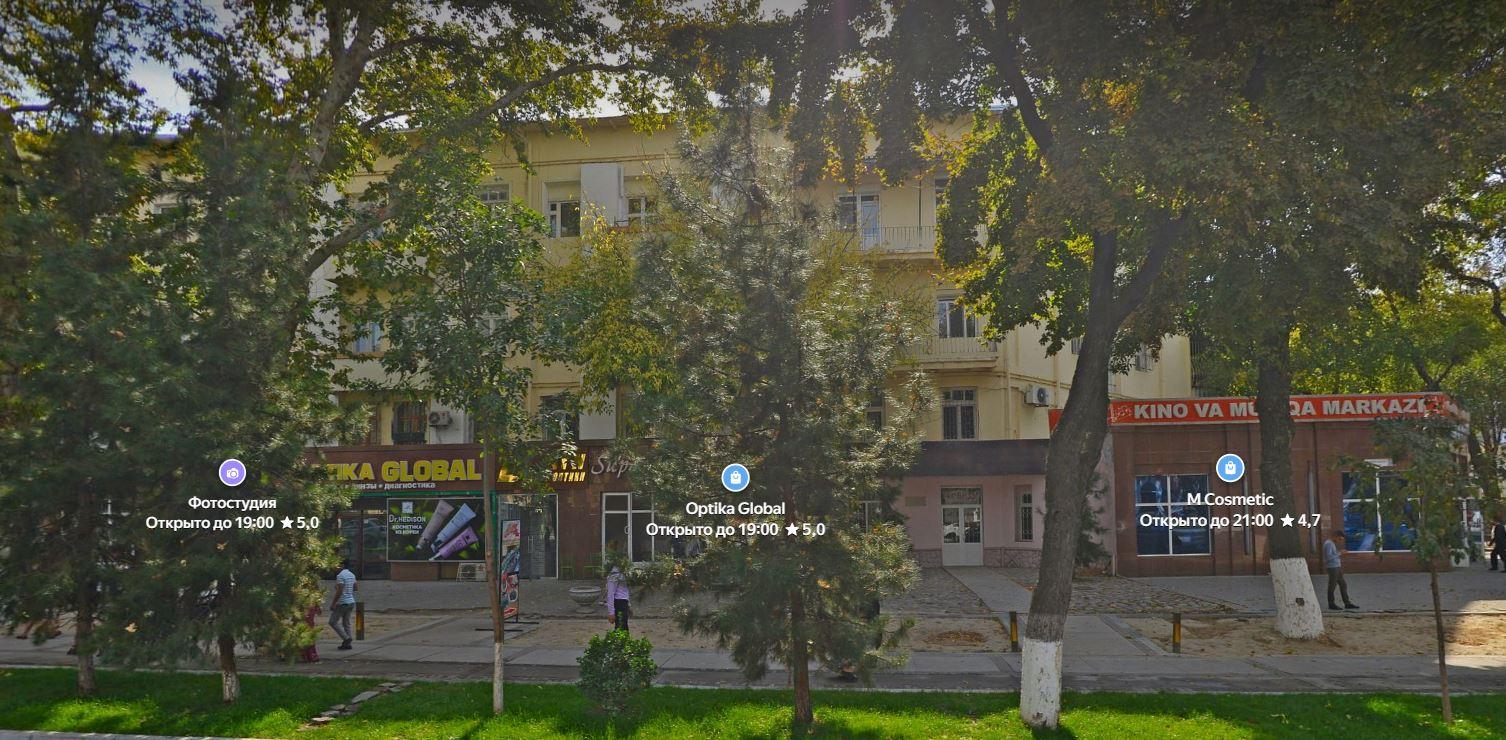
Mutaxassislar uyi Narkomzem loyihasi bo‘yicha 1938 yilda me’mor Pavlov loyihasi asosida qurilgan v...