

In the mid-19th century, a wealthy
Tatar entrepreneur named Sharafbay (Sharafiddin Bay) built a mosque, which
survives today in a reduced form: when Farabi Street was widened in the 1970s,
the minaret and part of the fence were demolished.
Currently, the building remains,
complete with a dome, plastered interior, and an aiwan with a painted ceiling
on carved columns and carved ornamentation on the walls.
The building houses the Kushtut
Gallery, featuring exhibits on calligraphy and old handwritten manuscripts.
During the reconstruction of the
aiwan, part of the ceiling and columns were left in their original form.
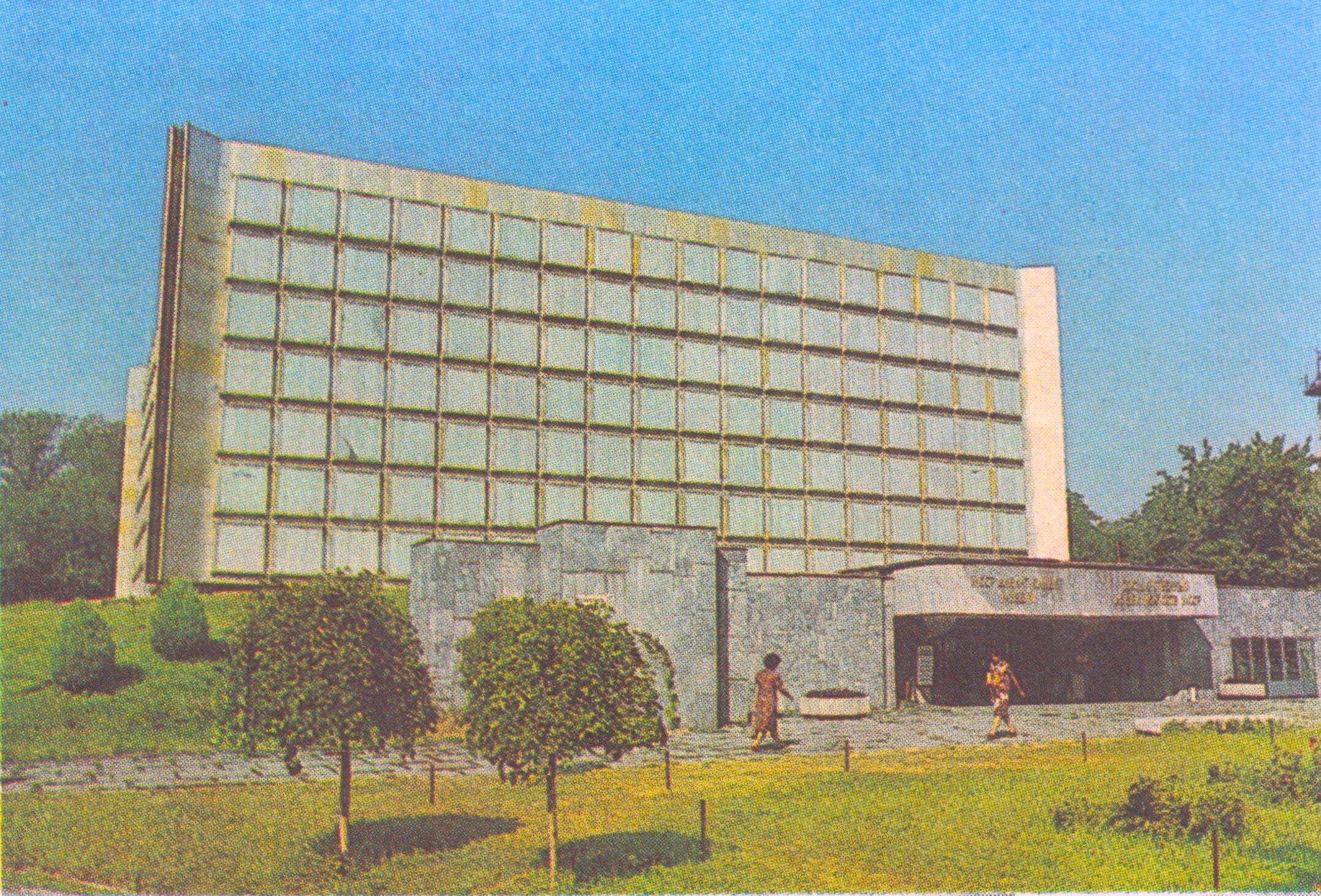
The State Museum of Arts of Uzbekistan was founded in 1918 as the People’s University Museum. Until...
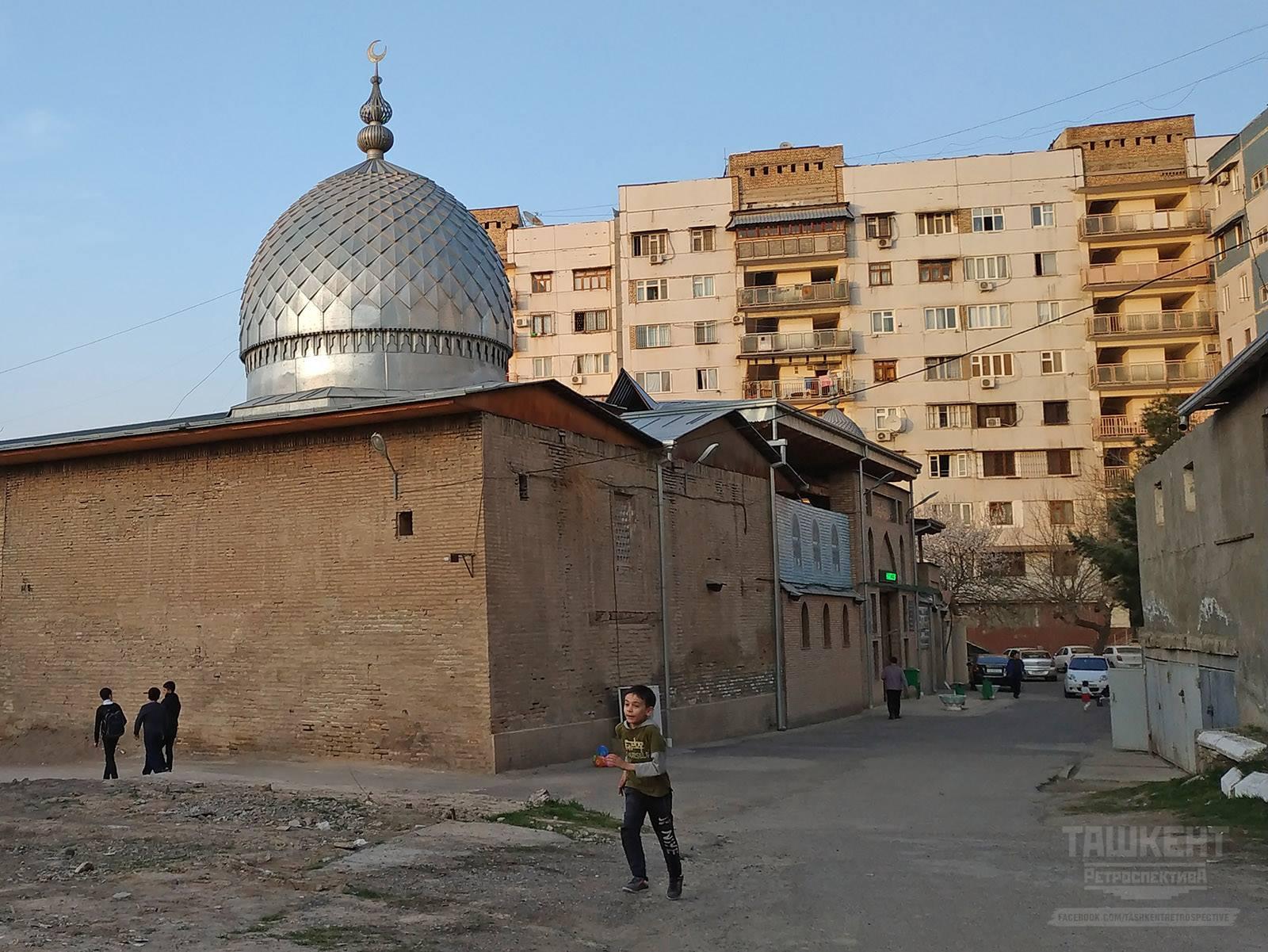
The mosque was built in the 15th century near the grave of the righteous Ukkosh on the ancient Sama...
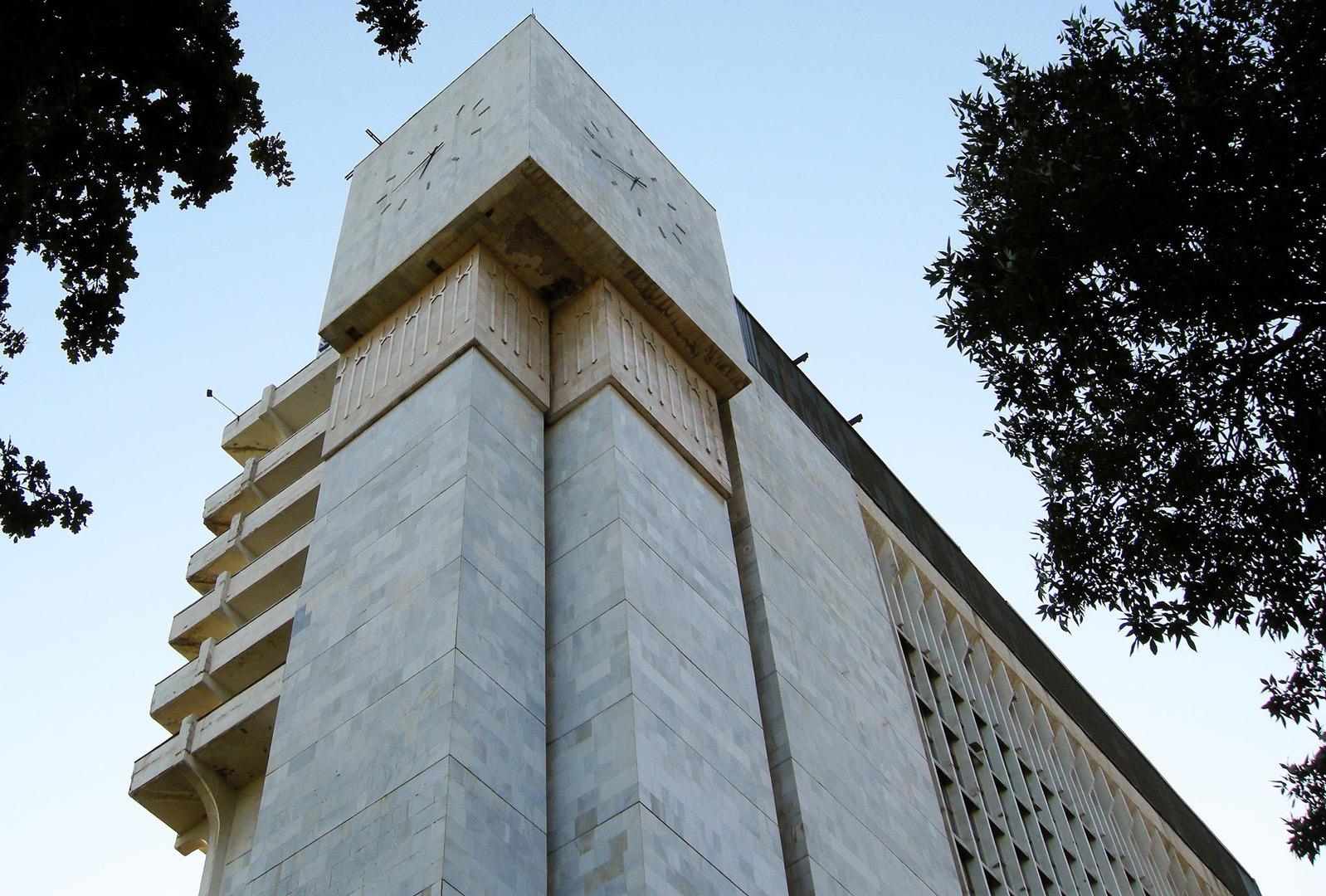
Among the series of structures built for the 50th anniversary of the UzSSR, the 16-story building o...
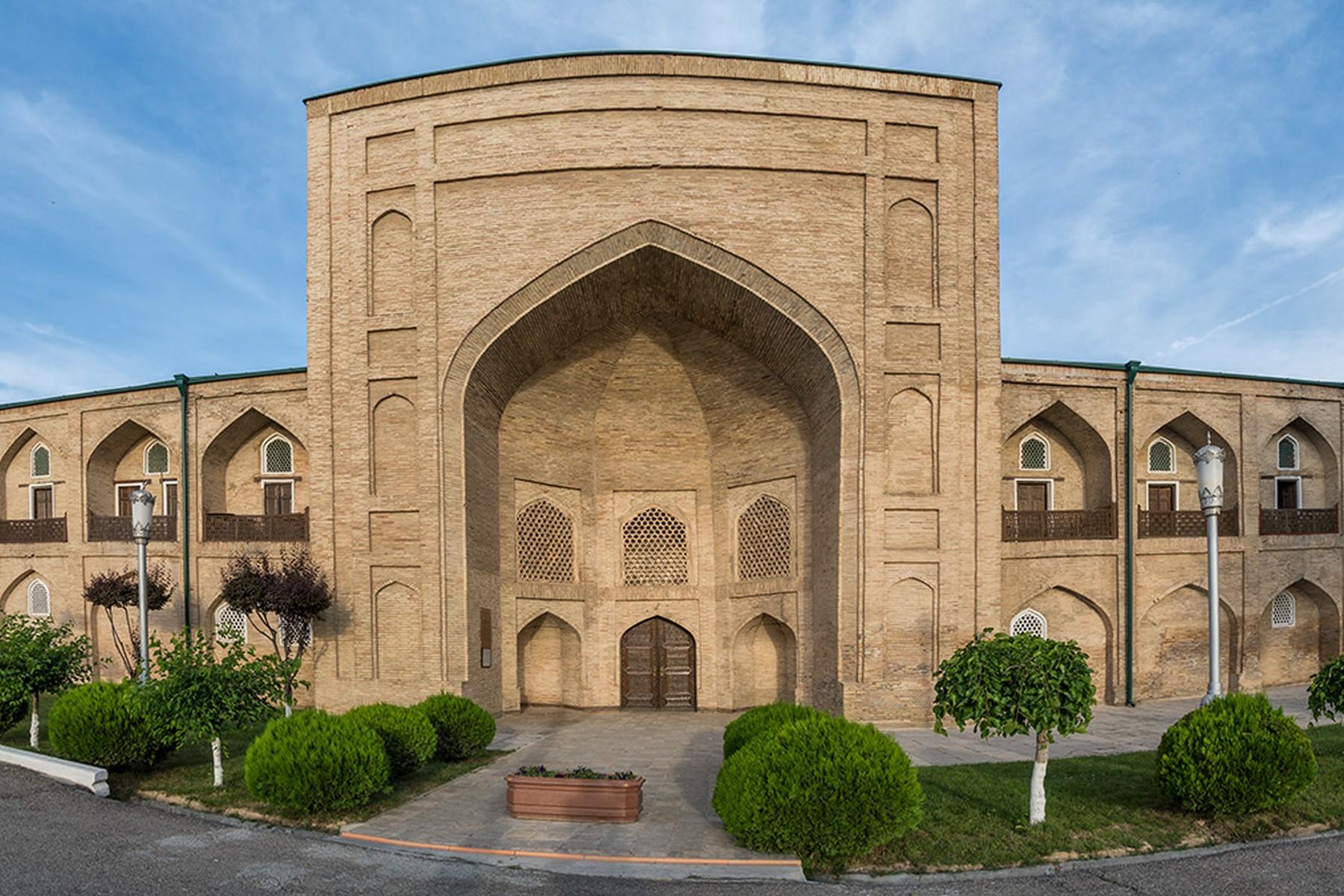
The Abulkasim Madrasah (named after Sheikh Abulkasimkhan Ishana) is located between two modern build...